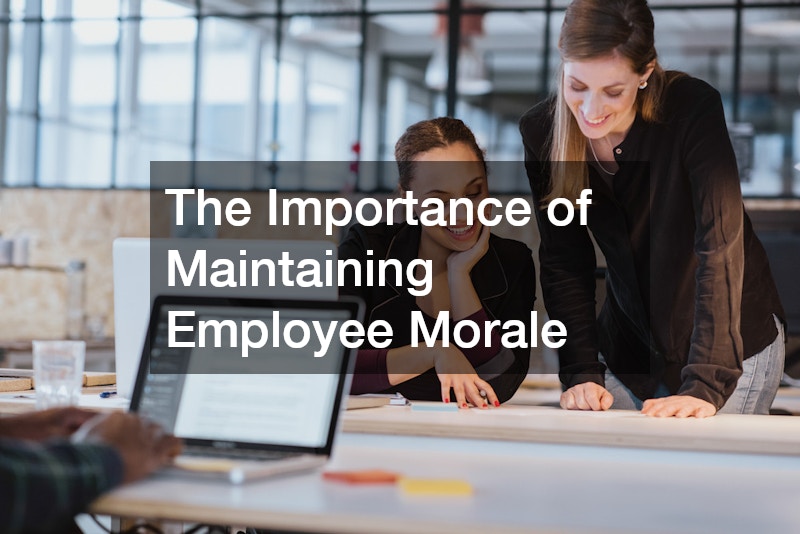

Maintaining employee morale is often viewed through the lens of human resources as a “soft” metric, yet it remains one of the most significant drivers of a company’s bottom line. Morale is the collective spirit, attitude, and state of mind of a workforce. When it is high, it acts as a catalyst for innovation, productivity, and retention; when it is low, it becomes a silent toxin that leads to absenteeism, disengagement, and high turnover costs. In an era where the competition for top-tier talent is fierce, a company’s ability to foster a supportive and invigorating atmosphere is its greatest competitive advantage. Building this culture requires a holistic approach that touches every aspect of the employee experience, from the physical workspace to the underlying systems of communication and recognition.
Recognizing Employee Contributions in Meaningful Ways
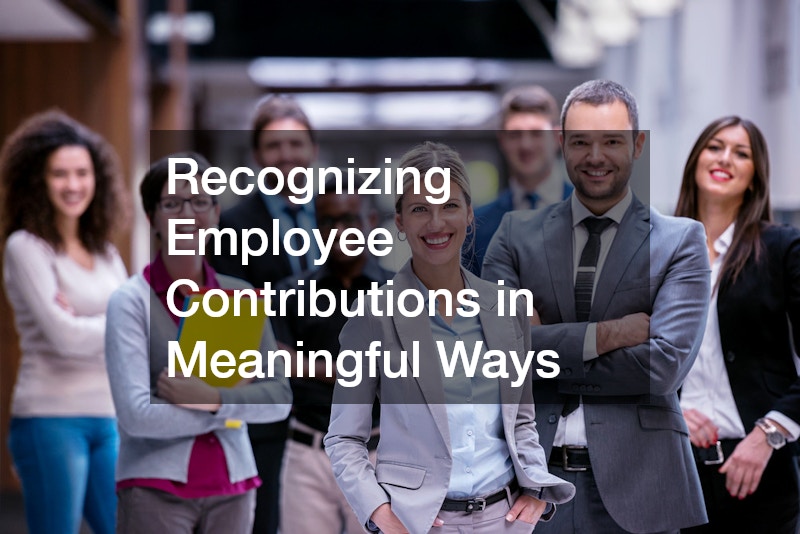
At the heart of high morale is the basic human need to be seen and valued. When employees feel that their hard work is consistently overlooked, they quickly slip into a state of “quiet quitting,” doing only the bare minimum required to keep their position. Recognition should not be a once-a-year event tied to a performance review; it should be a continuous thread woven into the fabric of the organization. Meaningful recognition can range from a simple public “thank you” in a team meeting to more formal systems of advancement and reward.
One of the most profound ways to honor a career is to celebrate its conclusion with as much vigor as its beginning. A thoughtful retirement award serves as a symbolic bridge between a person’s identity as a worker and their new chapter as a retiree. It signals to the remaining staff that the company values long-term loyalty and that an individual’s legacy matters. When employees see their colleagues honored for decades of service, it fosters a sense of security and belonging. It demonstrates that the organization is not merely a place of transaction, but a community that respects the lifetime of effort its members contribute.
Supporting Teams That Work Directly With Clients
The mental and emotional load of a job is significantly higher for those on the front lines of client interaction. These employees must manage not only their own stress but also the emotions, expectations, and occasional frustrations of the customers they serve. Without adequate support, “compassion fatigue” and burnout become inevitable. Supporting these teams requires providing them with the tools, training, and autonomy they need to solve problems effectively without having to fight through bureaucratic red tape.
Consider the daily reality of insurance agents. They are often dealing with people at their most vulnerable—after a car accident, a house fire, or a medical emergency. To maintain morale in such a high-stakes environment, the organization must provide a robust backend support system and a culture that prioritizes mental health. When agents feel supported by their leadership, they are better equipped to project confidence and empathy to their clients. Supporting the front line means ensuring they have the technological resources and the emotional “backup” to handle difficult conversations without feeling isolated or overwhelmed.
Creating a Workplace Culture That Encourages Collaboration

Isolation is the enemy of morale. In the modern workplace, where remote and hybrid models are increasingly common, the risk of “siloing”—where departments or individuals work in total isolation—is a major threat. A culture that encourages collaboration breaks down these barriers, allowing for a cross-pollination of ideas that drives innovation. Collaboration fosters a sense of shared purpose; when employees feel they are part of a team working toward a common goal, they are more resilient in the face of challenges.
This collaborative spirit is the hallmark of the most successful insurance agencies. By creating environments where veteran agents mentor newcomers and where different departments share insights on market trends, the entire organization becomes more agile. Collaborative cultures rely on flat hierarchies where ideas are judged on their merit rather than the rank of the person who proposed them. When employees feel that their voice is heard and that they can rely on their peers for support, their commitment to the organization deepens. Collaboration transforms a group of individuals into a unified force, significantly boosting the collective morale.
Providing Stability Through Strong Leadership and Benefits
In an unpredictable world, the workplace should be a source of stability. This stability is provided through two main channels: clear, decisive leadership and a comprehensive benefits package that protects the employee’s future. Leadership must be transparent about the company’s direction and honest about its challenges. When employees trust their leaders, they are less susceptible to the rumors and anxieties that can tank morale during times of transition.
Furthermore, a business insurance agency that helps a company secure the right coverage for its workforce is a vital partner in maintaining morale. Benefits like health insurance, disability coverage, and life insurance provide a “safety net” that allows employees to focus on their work without the constant background noise of financial worry. Stability is about more than just a steady paycheck; it is about the peace of mind that comes from knowing that if something goes wrong, the company has provided a path to recovery. High-quality benefits are a tangible expression of a company’s investment in its people, which is directly reflected in the workforce’s loyalty and spirit.
Promoting Safety and Comfort in the Workplace
The physical environment is the most immediate influencer of an employee’s daily mood. It is difficult to maintain a high level of enthusiasm if the office is too hot, too cold, or poorly ventilated. Physical discomfort is a constant distraction that saps energy and breeds resentment. Promoting “comfort” is not about luxury; it is about providing a functional, healthy environment where people can do their best work without physical strain.
This is where the expertise of commercial hvac contractors becomes essential to the HR mission. Proper air filtration, humidity control, and temperature regulation are fundamental to cognitive function. Studies have consistently shown that air quality directly impacts decision-making and productivity. By investing in high-quality climate control systems, a company demonstrates a commitment to the “basic needs” of its staff. An office that feels fresh and temperate is a welcoming environment that subconsciously tells employees that their physical well-being is a priority, which serves as a baseline for high morale.
Ensuring Accessibility and Inclusion for Every Employee
A truly moral-focused workplace is one where every individual, regardless of their physical abilities, feels fully integrated and capable. Exclusion, whether intentional or accidental, is one of the fastest ways to destroy morale. When an employee feels that their environment was not designed for them, it creates a sense of “otherness” that is toxic to engagement. Accessibility is about removing the physical and digital barriers that prevent people from participating fully in the life of the company.
Working with ada compliance contractors is a critical step in building an inclusive culture. This involves more than just meeting the minimum legal requirements; it involves designing spaces that are intuitive and welcoming for everyone. From wide hallways and accessible restrooms to adjustable workstations and screen-reader-friendly software, these updates ensure that no one is “handicapped” by their environment. When a company goes above and beyond to ensure accessibility, it sends a powerful message about the value of human dignity. It fosters a culture of respect where every employee feels seen, heard, and empowered to contribute their best work.
Maintaining an Attractive and Welcoming Work Environment
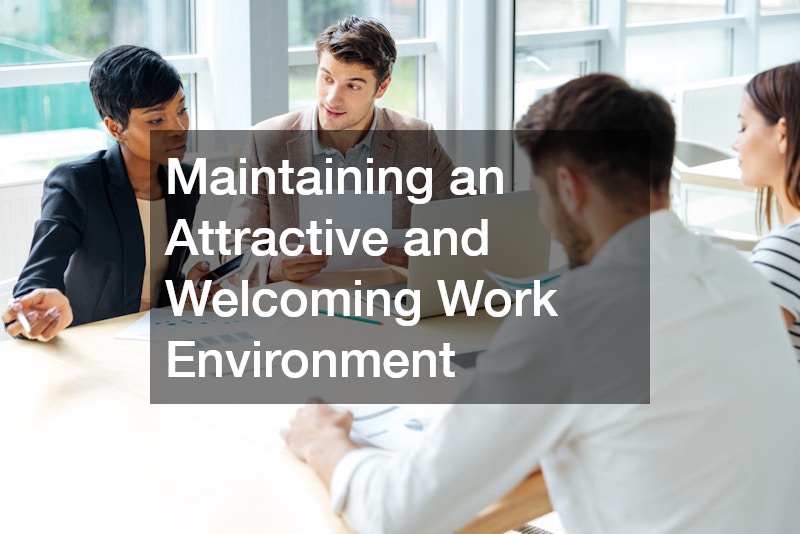
First impressions matter, and for employees, the “first impression” happens every morning when they pull into the parking lot. A workplace that looks neglected—overgrown weeds, cracked pavement, or dying plants—subconsciously signals a company in decline. Conversely, a well-maintained exterior creates a sense of pride and professional prestige. The aesthetic of the workspace should inspire energy and a sense of order.
Investing in professional commercial landscaping is a simple but effective way to boost the daily mood of the workforce. Green spaces have been scientifically proven to reduce stress and improve mental clarity. Providing an outdoor space for breaks, such as a garden or a shaded patio, allows employees to disconnect from their screens and recharge. A beautiful environment reflects a successful organization. When employees are proud of where they work, they are more likely to be brand ambassadors in their private lives, further strengthening the company’s reputation and internal morale.
Prioritizing Workplace Safety and Peace of Mind
Safety is the most fundamental requirement for high morale. If an employee feels unsafe—whether from external threats, internal accidents, or a lack of security—they cannot be productive. In the modern world, security concerns are multifaceted, ranging from physical intruders to the safety of the parking lot after dark. A company must provide a “fortress” of safety that allows employees to focus entirely on their professional tasks.
The installation of a comprehensive commercial security camera system is a key component of this safety strategy. These systems act as a deterrent to crime and provide a record of events, but their most important function is the sense of “watchful protection” they offer the staff. When employees know that the entry points are monitored and that the parking areas are under surveillance, they feel a sense of peace of mind. This security extends to the protection of their personal property and their physical person. By eliminating the “fear factor,” the company allows for a more relaxed and focused work environment where morale can thrive.
Choosing Work Locations That Support Employee Satisfaction
The location of a business is often decided based on tax incentives or proximity to suppliers, but the “human cost” of a location is equally important. A three-hour daily commute is a major drain on morale and a primary reason for burnout. The ideal work location is one that balances the company’s operational needs with the convenience and lifestyle preferences of its workforce.
When engaging in business site selection, leadership should consider the “commute-ability” of the area, the availability of local amenities like childcare and dining, and the overall safety of the neighborhood. A site that is accessible via public transit or located near green belts provides a much higher quality of life for the staff. By choosing a location that respects the employee’s time and provides a pleasant daily experience, the company demonstrates that it values the “whole person,” not just the worker. This geographic empathy is a long-term investment in retention and daily satisfaction.
Improving Communication Across the Organization
Communication is the glue that holds an organization together. When it fails, the result is confusion, duplication of effort, and a sense of disconnection from leadership. Morale suffers when employees feel “out of the loop” or when they cannot easily collaborate with their peers in different locations. In the age of global teams and hybrid work, the technical infrastructure of communication is just as important as the culture of transparency.
Implementing a modern business voip (Voice over Internet Protocol) system ensures that communication is seamless and flexible. These systems allow for high-definition video conferencing, instant messaging, and mobile integration, ensuring that a remote worker feels just as “present” as someone in the office. Clear communication channels reduce the friction of daily tasks and prevent the misunderstandings that lead to conflict. When information flows freely and feedback is encouraged, employees feel empowered. They understand their role in the bigger picture, and that clarity is a powerful engine for high morale.
In conclusion, the maintenance of employee morale is not the result of a single program or a one-time bonus; it is the cumulative result of a thousand small, intentional choices. It requires a leadership team that views its employees as its most valuable asset and is willing to invest in their physical comfort, their psychological safety, and their personal growth. From the quality of the air they breathe to the retirement awards that honor their legacy, every detail of the employee experience matters. By fostering a culture of recognition, collaboration, and stability, and by providing a safe, accessible, and beautiful environment, a company creates a place where people don’t just work—they thrive. High morale is the “secret sauce” of enduring success, turning a group of workers into a dedicated community that is capable of achieving extraordinary things. When you invest in your people, they will inevitably invest in the success of the company, creating a virtuous cycle of growth and satisfaction that can last for generations.
Furthermore, the commitment to morale must be dynamic, evolving alongside the needs of the workforce. As societal values shift toward a greater emphasis on work-life balance and mental health, organizations must be prepared to listen and adapt. Morale is a fragile thing; it can be built over years and lost in a single week of poor management. By maintaining a constant “pulse” on the attitudes of the staff and remaining proactive in addressing their concerns, leadership ensures that the organization remains a beacon of positivity. Ultimately, a high-morale workplace is a place of dignity. It is where every individual is given the tools to succeed and the respect to feel that their contribution is meaningful. When you treat people with excellence, you can expect excellence in return, and that is the true foundation of a thriving, profitable, and enduring business.